
Transport and storage solutions
Storing and transporting energy safely
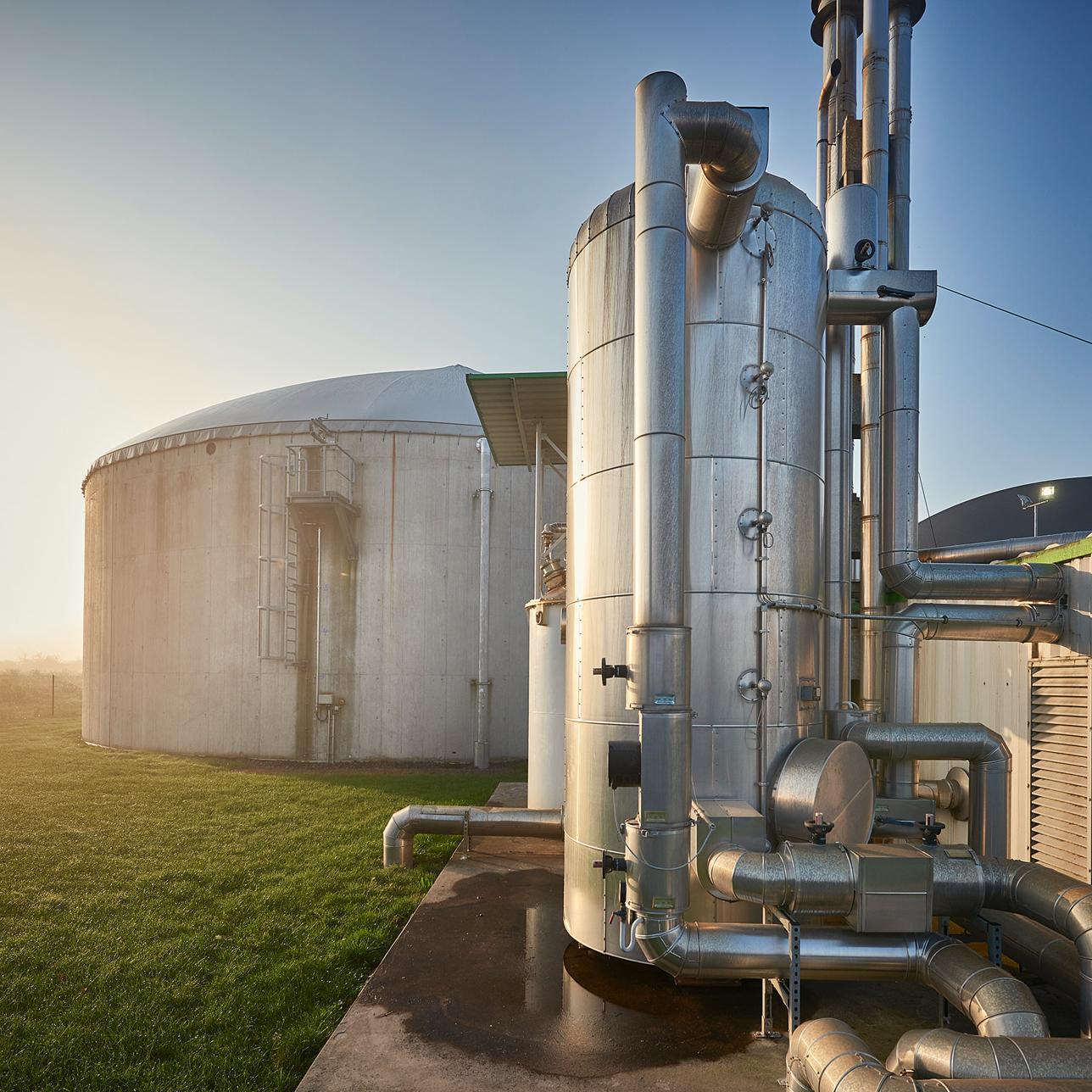
A robust gas infrastructure will be an essential part of any sustainable energy supply system in the future. Energy transport in the gas network not only allows gas to be moved over long distances; gas storage facilities are also integrated in this network. Gas can be stored there in large quantities and across seasons. This means that in the summer, when the general demand for gas decreases, the storage tanks can be filled. In winter, when demand is higher, the gas can then be taken out of storage and delivered to consumers.
Today we transport natural gas, tomorrow renewable and low-carbon gases
ONTRAS Gastransport GmbH is an independent transmission system operator responsible for a pipeline network spanning 7,700 kilometres. This network forms the backbone of the gas supply in eastern Germany and ensures reliable transport for industry, commerce and households.
A high-capacity natural gas network also lays the foundations for the next stage of development: the ONTRAS H2 start-up network. As part of the Germany-wide hydrogen core network, which was approved by the Federal Network Agency in October 2024, ONTRAS is building 600 kilometres of H2 transport infrastructure. Consumers and producers in eastern and central Germany will thus be connected to import terminals and gas storage facilities. Key prerequisites for the market ramp-up of a hydrogen economy.
The ONTRAS H2 start-up network is the largest single investment in VNG’s history and a key component of its transformation strategy. 80 percent of the initial network will be created by converting existing natural gas pipelines. This makes sense both environmentally and economically, and it demonstrates the role that fossil fuel infrastructure can still play in the energy transition today.
Gas storage: Flexibility for stable supply
Our subsidiary, VNG Gasspeicher GmbH, operates storage facilities in Bad Lauchstädt and Bernburg. Together with the Etzel storage site, VGS markets a total storage capacity of around 31 terawatt hours, making it the third-largest gas storage operator in Germany.
Gas storage facilities provide the flexibility to balance procurement and consumption at different points in time. They balance out seasonal fluctuations, stabilise network pressure and provide a reliable buffer against short-term market changes, such as those caused by weather conditions or geopolitical crises. At the same time, they offer market participants the opportunity to store gas flexibly and use it as required. Gas storage facilities thus contribute to price stability and the proper functioning of gas markets.
With the increasing integration of renewable energies into the energy system, storage systems are also gaining in importance. In particular, cavern storagefacilities could be used for hydrogen storage in the future, thereby supporting the transformation of the energy system. In contrast to electricity, gas can be stored easily in large quantities over long periods of time. Gas storage facilities thus act as a bridge between volatile generation and constant consumption. For example, electricity from renewable energy sources such as wind power or photovoltaics can be used in electrolysers to produce hydrogen. In the long term, this can be stored in suitable gas storage facilities and retrieved as and when needed – for example, to generate renewable electricity even during periods of low sunlight and wind.

Download
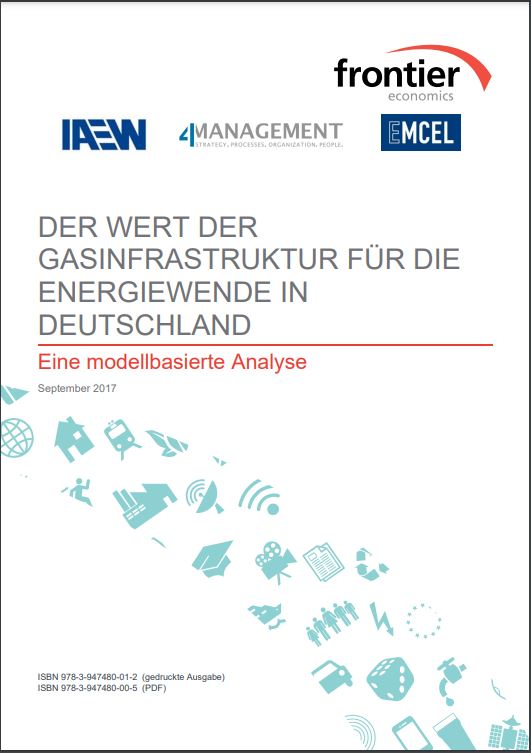
The value of gas infrastructure for the energy transition in Germany